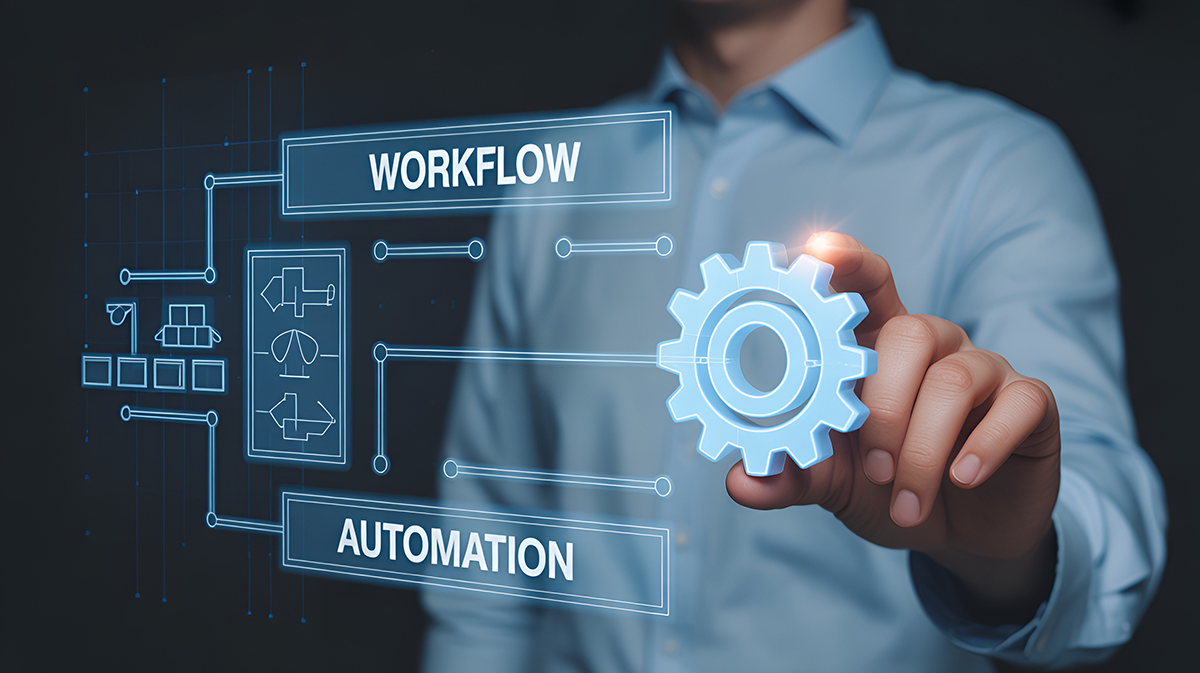
Digital transformation printing integrates physical documents with digital workflows in modern UK businesses. Despite substantial investments in cloud systems and automation, printed materials remain essential in finance, HR, logistics, healthcare, and compliance operations. The real opportunity involves connecting print infrastructure with secure document management and workflow automation. Rather than eliminating paper entirely, businesses should unite print with intelligent digital systems. When printing, scanning, and document storage operate within a unified framework, organisations gain visibility, control, and compliance across their information lifecycle.
Key Takeaways
- Digital transformation printing connects physical documents to digital workflows
- Print remains embedded in operational and regulated processes
- Workflow automation reduces manual document handling
- Secure document management strengthens compliance
- Integration improves efficiency and operational resilience
Why Print Still Matters in Digital Transformation
Physical documents continue supporting core business functions including signed contracts, delivery notes, and compliance records. Organisations need systems managing both digital and paper formats without creating information silos. Without integration, manual handling increases risk as documents get scanned, emailed, renamed, and saved inconsistently, reducing traceability and slowing approvals. Aligning print systems with Managed Print Services and digital document workflows closes operational gaps.
From Print Devices to Digital Workflows
Modern multifunction devices support secure authentication, encrypted storage, and scan-to-workflow functionality. However, secure output alone does not deliver transformation. Businesses must control post-printing and post-scanning processes. Examples include routing scanned invoices automatically into accounts approval queues, entering signed contracts into secure repositories with predefined retention rules, and integrating delivery notes with ERP systems for audit purposes. Connecting print infrastructure with structured digital document systems reduces manual processing and improves governance.
Bridging the Paper-Digital Gap with Document Management
Digital transformation printing depends on structured document lifecycle management. Printing alone does not modernise business operations. Organisations require secure storage, permission controls, automated approvals, and full audit trails. Platforms such as Docflow extend print environments into secure digital repositories. When integrated with multifunction devices and managed print systems, document management software ensures scanned and generated documents enter controlled workflows automatically.
This integration delivers measurable operational improvements:
- Centralised document storage
- Role-based access permissions
- Automated workflow routing
- Full audit visibility
- Structured retention scheduling
Consequently, businesses maintain compliance while reducing administrative overhead.
Security and Compliance in Hybrid Print Environments
Print devices process sensitive business data daily, including payroll records, contracts, and regulated documentation. Encryption, secure release printing, and firmware validation form essential security controls. However, governance must extend beyond the device itself. Once scanned or printed, documents must remain protected within structured digital systems. Combining secure print management with document lifecycle control supports UK GDPR compliance and internal audit requirements.
Productivity Through Print Workflow Automation
Manual document handling consumes time and increases error likelihood. Integrated print and document management platforms streamline repetitive tasks.
Automated capture workflows can:
- Extract metadata from scanned documents
- Apply consistent file naming rules
- Route documents to approval queues
- Notify stakeholders automatically
Consequently, organisations shorten approval cycles and strengthen process transparency. Workflow visibility ensures teams understand document status at every stage.
Sustainability and Operational Efficiency
Digital transformation printing supports sustainability objectives. By reducing unnecessary reprints, enforcing secure print release, and digitising approval processes, organisations lower paper consumption and storage costs. Additionally, digital archives replace physical filing cabinets. Over time, integrated print and document systems reduce waste while maintaining structured control.

The Future of Digital Transformation Printing
Digital transformation printing continues evolving as businesses adopt hybrid working models and cloud-based infrastructure. Rather than removing print from operations, forward-thinking organisations integrate it intelligently. By connecting secure devices, managed print services, and structured document workflow automation, businesses build a unified information environment. Ultimately, bridging the paper-digital gap strengthens compliance, productivity, and long-term resilience.
Frequently Asked Questions
What is digital transformation printing?
Digital transformation printing integrates print infrastructure with document management and workflow automation systems to modernise business processes.
How does document management support print workflows?
Document management platforms store, organise, and automate documents after printing or scanning, ensuring lifecycle governance.
Is print still relevant in digital transformation?
Yes. Many operational processes still require paper documents. Integration, rather than elimination, delivers effective transformation.
How can businesses bridge the paper-digital gap?
By linking multifunction devices, secure print management, and document workflow automation into a unified digital system.
Why is security important in digital transformation printing?
Encryption, secure release printing, and document lifecycle control protect sensitive information across hybrid environments.
Ready to bridge the paper-digital gap in your organisation? Speak to Mastercopy on 01642 750404 or email sales@mastercopy.co.uk to discuss integrated print and document management solutions.