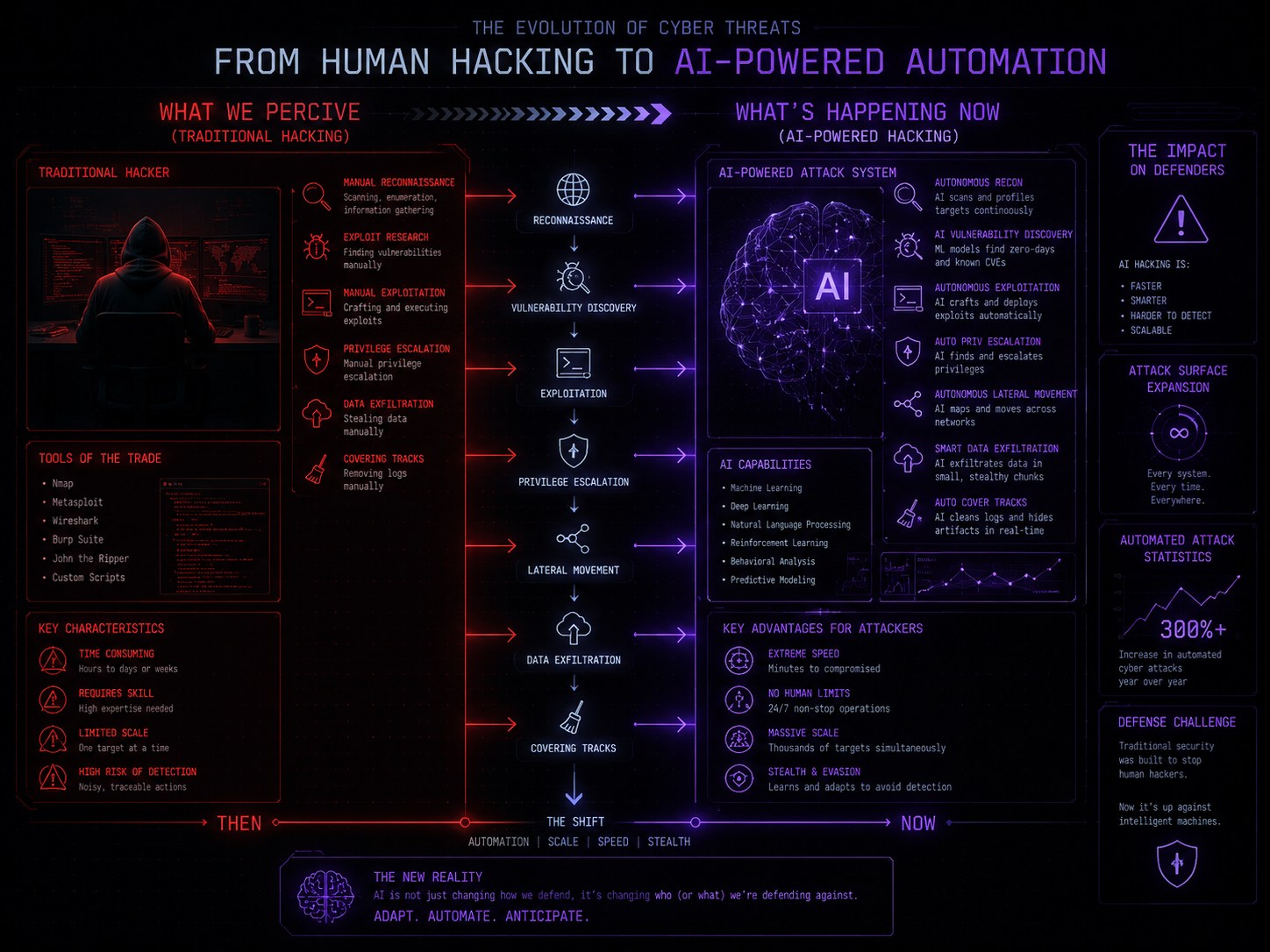
For years, cyber crime was a slow, manual craft. An attacker had to probe a network by hand, test passwords one at a time, and read through code looking for a way in. That took skill, patience and time — and it gave defenders a fighting chance. Today the game has changed. Hackers are now using artificial intelligence to automate the hunt for weaknesses, and AI-powered cyber attacks are reshaping the threat landscape for businesses of every size. If your server has been quietly "just working" for years, this is the article you need to read.
The Game Has Changed: How Hackers Are Using AI
Artificial intelligence has handed attackers a force multiplier. Instead of manually scanning the internet for vulnerable machines, criminals now deploy AI-driven tools that scour millions of IP addresses, fingerprint the software running on each one, and cross-reference it against known vulnerabilities in seconds. What once took a skilled hacker days now happens automatically, around the clock, at a scale no human team could match.
AI also lowers the barrier to entry. Generative tools can write convincing phishing emails free of the spelling mistakes that used to give scams away, generate malicious code on demand, and even adapt an attack in real time when it meets resistance. The result is more attacks, launched faster, against more targets — and small and medium businesses are firmly in the firing line because attackers no longer have to choose between volume and precision.
Why Forgotten Servers Are the Perfect Target
Every business has them: the server in the corner that has churned away faithfully for years. Nobody logs into it, nobody patches it, and nobody can quite remember the last time anything was done to it. It just works — and that is exactly the problem. To an AI-powered scanning tool, an unmaintained server running outdated software is a flashing beacon advertising an easy way in.
Outdated software is the single most common entry point for a cyber attack. When a vendor releases a security update, they also publish details of the vulnerability it fixes. Attackers read those disclosures and immediately weaponise them against any machine that has not been patched. A server left untouched for three or four years may be exposed to dozens of well-documented, automatically exploitable flaws. The longer it sits unmaintained, the wider the door is left open.
Cryptojacking: When Hackers Hijack Your Server to Mine Crypto
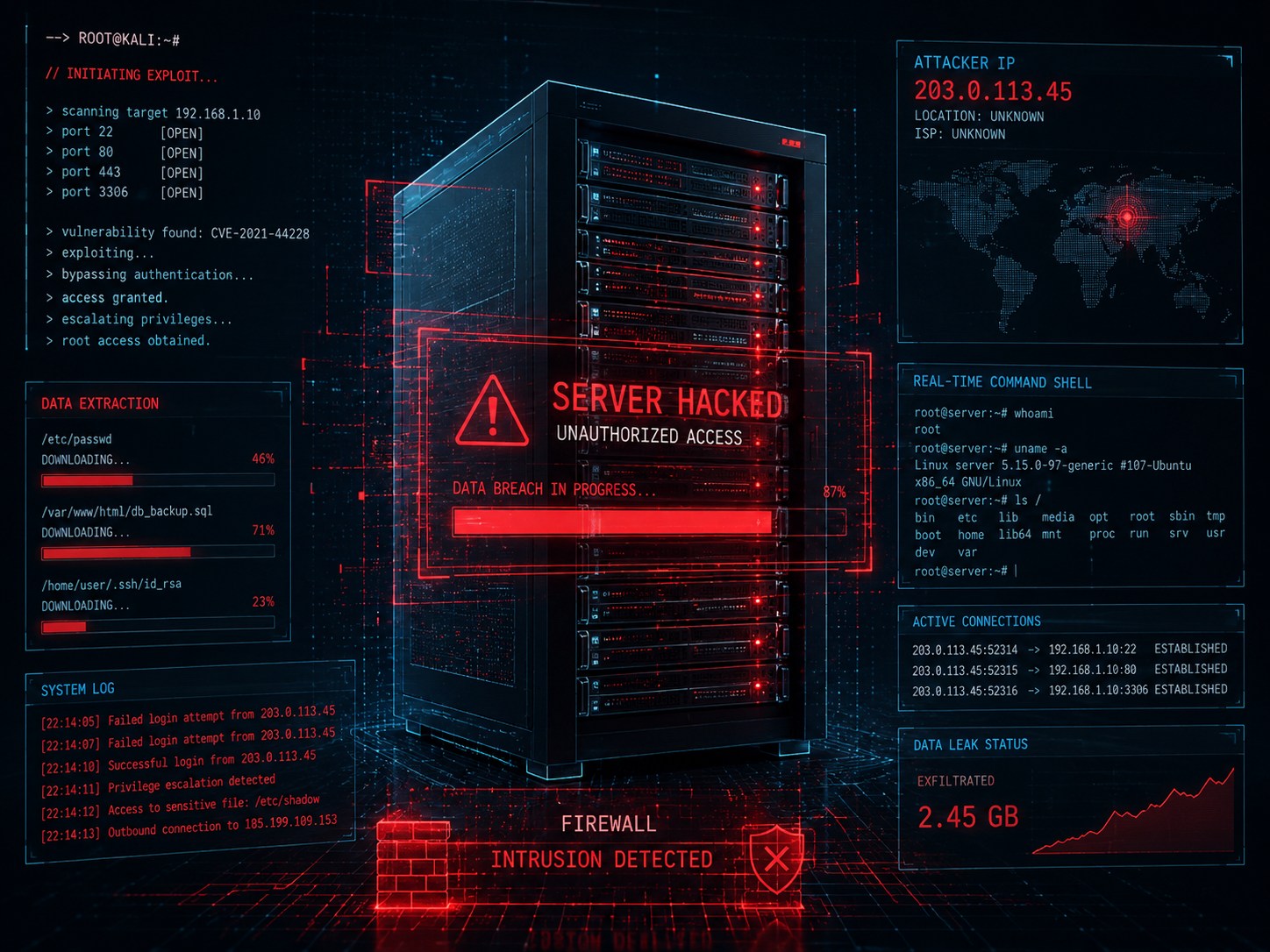
One of the fastest-growing consequences of poor server security is cryptojacking. In this type of attack, criminals exploit outdated or unpatched software to take over a whole machine, then quietly install mining software that uses your processing power to generate cryptocurrency for them. You foot the bill in electricity, hardware wear and lost performance, while they pocket the profit.
Cryptojacking is so dangerous precisely because it is designed to go unnoticed. There is no ransom note and no obvious data theft — just a server that runs hot, slows down and racks up unexplained energy costs. Many businesses only discover the problem when hardware fails prematurely or a routine audit uncovers an unfamiliar process consuming every available resource. By then, the attacker has often had free run of the machine for months, and a server with that level of access can easily become a launchpad for deeper attacks across your network.
The Hidden Cost of "It Just Works"
The "if it isn't broken, don't touch it" approach feels sensible, but in cyber security it is one of the riskiest mindsets a business can hold. A server that appears to be working perfectly can be riddled with vulnerabilities, harbouring malware, or already compromised without showing a single visible symptom. Stability is not the same as security.
The financial fallout of a breach goes far beyond the immediate clean-up. Businesses face downtime, data loss, regulatory penalties under UK GDPR, reputational damage and the cost of rebuilding compromised systems. For many smaller organisations, a serious incident is an existential threat. Set against that, the cost of keeping your infrastructure properly maintained is modest — and it is the single most effective investment you can make in your resilience.
How to Protect Your Infrastructure from AI-Powered Threats
The good news is that the same discipline that has always underpinned good IT security still works — it simply matters more than ever now that attacks are automated. Protecting your business against AI-powered cyber attacks comes down to closing the doors before an attacker finds them:
Patch promptly and consistently: Apply security updates to operating systems, applications and firmware as soon as they are released. Automated server and desktop patch management removes the risk of human forgetfulness and shrinks the window of opportunity for attackers.
Retire end-of-life software: Software that no longer receives security updates can never be made safe. Replacing or isolating legacy systems eliminates a whole category of risk.
Monitor continuously: Proactive monitoring detects the unusual CPU spikes, suspicious network connections and unexpected processes that betray a cryptojacking infection or intrusion long before they cause lasting damage.
Harden your network: Strong firewall rules, network segmentation and secure network infrastructure limit how far an attacker can move if they do get a foothold.
Back up and test: Regular, tested backups mean that even in a worst-case scenario you can recover quickly without paying a ransom or losing critical data.
Why Proactive Server Maintenance Is Your Best Defence
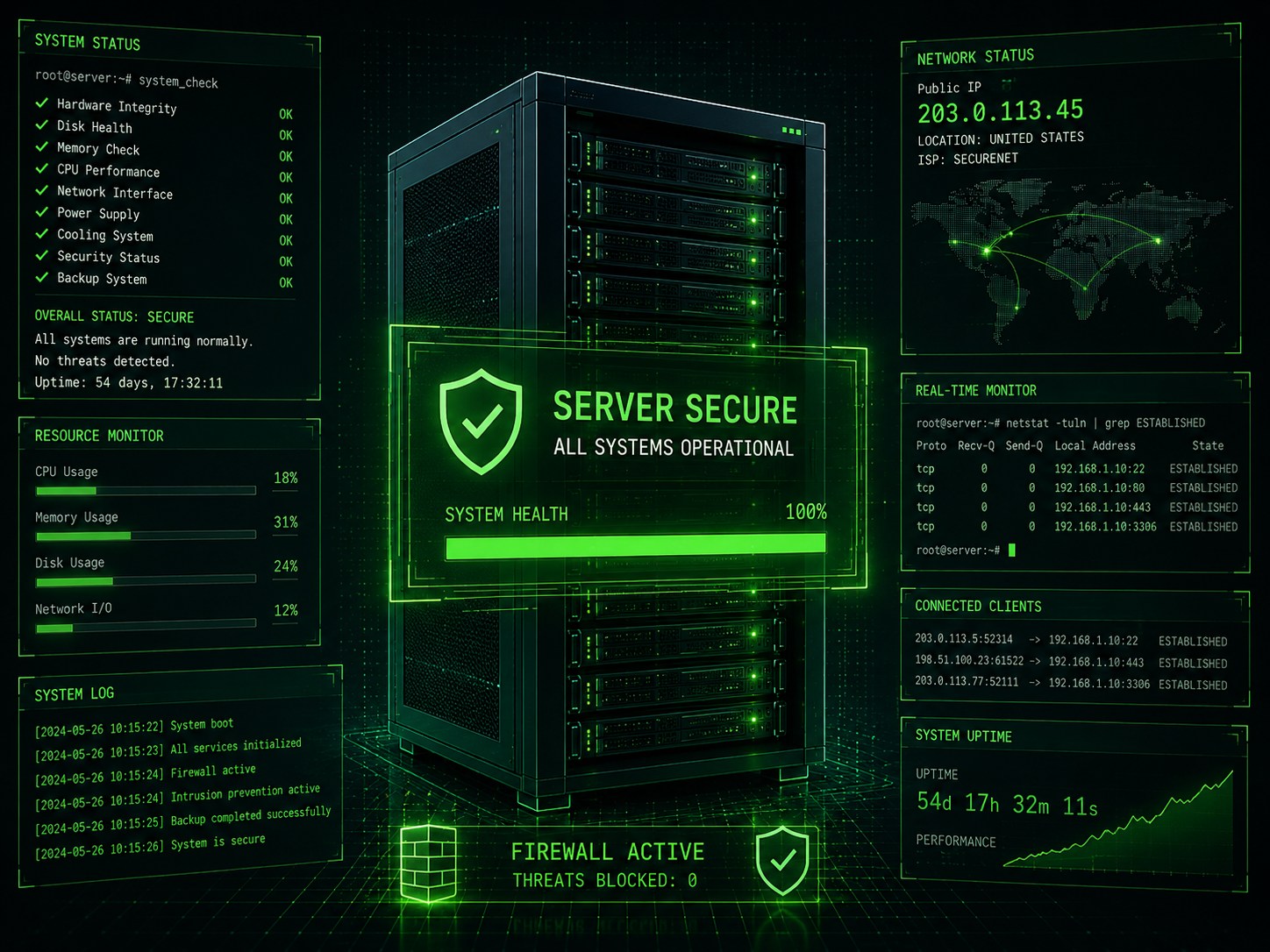
AI has made cyber attacks faster, cheaper and more relentless, but it has not changed the fundamental truth that most breaches exploit known, preventable weaknesses. A server that is patched, monitored and maintained is a far harder target than one that has been left to fend for itself — and against automated tools that move on to the next easy victim in milliseconds, being a harder target is often all it takes.
Proactive maintenance is not a one-off project; it is an ongoing process of patching, monitoring, reviewing and improving. That is exactly where a managed IT partner earns its keep. Rather than waiting for something to break — or to be broken into — the right partner keeps your infrastructure healthy, secure and ready for whatever the threat landscape throws at it next.
Secure Your Business with Mastercopy's Cyber Security Services
At Mastercopy, our managed IT support and cyber security services keep businesses across Thornaby, Stockton-on-Tees, Teesside and the wider North East protected against modern threats. We monitor your servers around the clock, manage patching and updates, harden your network and put tested backups in place — so that forgotten server in the corner becomes an asset rather than a liability.
If it has been years since anyone looked at your infrastructure, now is the time to act. Contact us on 01642 750404 or email sales@mastercopy.co.uk to arrange a security review of your servers and network before an AI-powered attacker does it for you.